
“We believe AI should enhance the gaming experience, not become the experience itself” – Mr. Kaustubh K. Jadhav, Co-founder, ARC
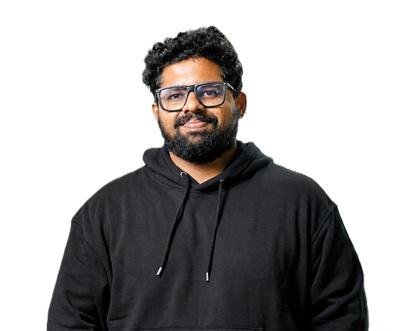 ARC is entering an increasingly competitive gaming landscape. What gap did you identify that existing gaming platforms weren’t addressing?
Most gaming hardware has historically been designed for Western markets, where consumers have greater access to high-end PCs, consoles, reliable broadband and the infrastructure required to support premium gaming ecosystems. That model does not translate seamlessly to markets like India. Imported hardware is expensive, games are priced for higher purchasing-power markets, and the overall cost of ownership often includes additional spending on accessories, subscriptions and upgrades.
At the same time, India has grown into a mobile-native gaming market. A large generation of players discovered gaming through smartphones and values accessibility, portability and the ability to play anywhere. Existing options force gamers to compromise: smartphones are accessible and portable but remain touch-first, while consoles and PC handhelds deliver deeper gaming experiences at a much higher price and infrastructure requirement.
We identified the need for a new category between the smartphone and the premium console: a dedicated portable gaming device that feels familiar to mobile-native players but offers physical controls and a more immersive, console-like experience. ARC is being built around this gap gaming hardware designed for the realities of emerging markets: portable, accessible, thoughtfully priced and supported by a controller-native software experience.
How are AI and data intelligence shaping the next generation of gaming experiences, and how is ARC leveraging these technologies?
Data intelligence helps personalise the gaming experience through better game discovery, recommendations and performance optimisation. ARC is exploring NPU-based processing to improve frame rates and enable higher performance at more accessible price points. We are also developing voice-based controls to help users launch games, navigate the console and manage settings more intuitively.
Our goal is to make AI an invisible layer of utility that makes the console more responsive, personalised and effortless to use.
The gaming industry is rapidly evolving from entertainment to community-led ecosystems. How does ARC plan to foster long-term player engagement?
We see player engagement growing in two directions. First, forever-online games like Valorant, Apex Legends and Rocket League, which evolve through a content–community-culture loop. At the same time, indie games are creating deeply engaging experiences through originality, strong storytelling and highly committed player communities.
ARC aims to bring both worlds together by supporting persistent multiplayer ecosystems as well as high-engagement indie titles. Our larger goal is to move gaming beyond the stereotype of RGB lights and dedicated setups, and make it an everyday experience that feels accessible, portable and relevant to everyone.
What trends do you believe will define the future of competitive and skill-based gaming over the next five years?
We believe competitive gaming will evolve in two major directions over the next five years. First, it will become more participation-led, similar to sports such as Padel and Hyrox, where growth comes not only from spectatorship but from more people actively competing, engaging and building communities around the sport. Second, it will become more like Formula 1, where performance is driven by a close partnership between players, coaches, analysts and engineers.
Competitive gaming will therefore move beyond individual talent to become a combination of skill, technology, data and team-led performance optimisation.
With gamers increasingly demanding transparency and fair play, how is ARC building trust through its platform and technology?
Trust begins with transparency. ARC plans to communicate clearly around device capabilities, performance, updates and platform policies rather than relying on exaggerated specifications or closed systems. Community feedback is built into the product cycle, allowing players to test features, report issues and influence how the platform evolves.
On-device data and secure account systems can help protect player information while enabling more reliable identity, moderation and fair-play mechanisms. Our goal is to build a platform where players understand how the technology works, how their data is used and how decisions affecting the community are made.
How do you see the role of creators, streamers, and gaming communities evolving, and what opportunities does ARC offer them?
Creators, streamers and gaming communities are becoming the ambassadors of gaming, shaping how people discover, understand and participate in it. ARC plans to collaborate with them to make gaming feel less overwhelming, more welcoming and easier to access for new audiences.
Beyond product promotion, we see them helping build culture, educate gamers and create meaningful community-led experiences. Our goal is to position gaming not as a niche activity, but as a natural part of everyday lifestyle and culture.
India has emerged as one of the world’s fastest-growing gaming markets. What opportunities do you see for Indian gamers and developers?
Indian gamers are moving beyond a few dominant genres. We are beginning to see a genre exodus, with players exploring indie games, RPGs, racing, strategy and deeper multiplayer experiences. Game discovery will become a major opportunity as audiences mature, platforms that help players find relevant games, not just the most marketed ones, will play an important role. Rising disposable income is also increasing willingness to spend on better devices, games and premium gaming experiences.
However, Indian gamers still have limited access to hardware and software ecosystems designed around their pricing, connectivity and usage patterns. This creates an opportunity for Indian developers to build for a large, culturally diverse and increasingly sophisticated audience, and for ARC to provide a platform optimised for how this audience actually plays.
What are the biggest technology challenges in building a scalable gaming platform, and how has ARC addressed them?
ARC is building both hardware and software from India, which presents two major technology challenges: custom hardware manufacturing and component sourcing, and access to specialised software talent. India’s hardware ecosystem is still developing, particularly for custom gaming devices that require reliable suppliers, specialised components and scalable manufacturing processes. On the software side, building a controller-native operating system and optimising games for dedicated hardware requires expertise that is still relatively limited in the market.
Both ecosystems are improving rapidly. ARC is also investing significant time and capital internally to build the capabilities, partnerships and technology solutions required to overcome these challenges. Our long-term goal is not only to solve these problems for ARC, but to create a stronger foundation for building scalable gaming products from India.
As AI becomes more deeply integrated into gaming, where should the industry draw the line between personalization and preserving authentic gameplay?
We believe AI should enhance the gaming experience, not become the experience itself. It can support personalisation, accessibility, performance and discovery, but it should not replace player skill, creative intent or meaningful decision-making.
Drawing that line will be essential to preserving authentic gameplay and player trust. The industry is still figuring out where that boundary should sit, and there is a long way to go before the right balance is fully understood.
Looking ahead, what is your long-term vision for ARC, and what innovations can gamers and the industry expect over the next few years?
ARC’s long-term vision is to help bring the next billion gamers into deeper, more meaningful gaming experiences. We want to make gaming accessible, through hardware and pricing designed for emerging markets; immersive, through better controls, performance and a purpose-built gaming experience; and localized, by building around regional preferences, languages, communities and how people actually play.
Over the next few years, gamers can expect ARC to keep innovating across hardware, software, AI-powered performance and community-led experiences. Our goal is simple: to serve the next generation of gamers well and make high-quality gaming feel like an everyday experience.


